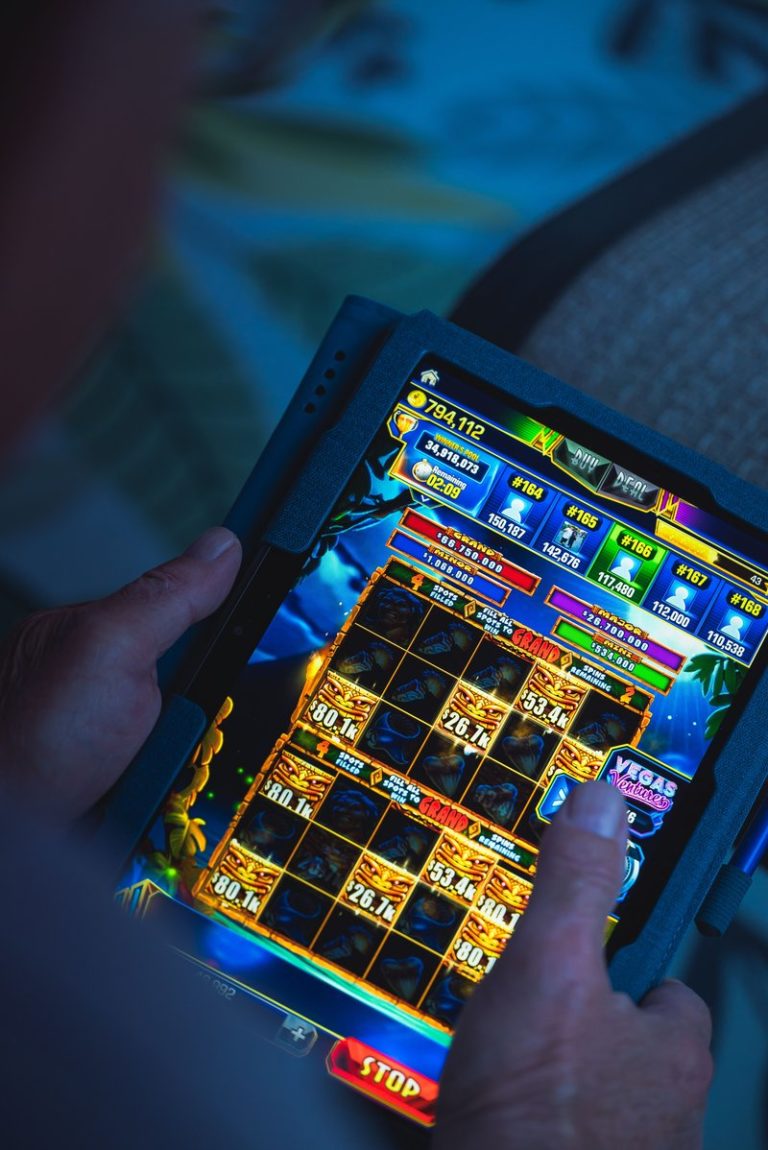
When I first downloaded a multiplayer battle‑royale game on my iPhone last summer, the matchmaking queue took less than ten seconds. That speed alone showed how the UK’s mobile network upgrades are turning phones into instant social hubs. Today, I see groups of friends coordinating raids, strangers forming guilds, and families sharing quick puzzle rounds during a tea break. The shift is measurable: the UK’s mobile data traffic from gaming rose from 3 PB in 2020 to 7.5 PB in 2023, according to Ofcom, and that surge is reshaping how we talk, meet, and cooperate.
Real‑Time Voice and Text Integration
Modern titles embed voice chat directly into the app, eliminating the need for separate Discord servers. In a recent 30‑minute session of “Clash of Kingdoms,” my teammate in Manchester could shout “attack the left flank” and I heard it instantly on my earbuds, with less than 150 ms latency. The same game offers a built‑in text overlay that translates slang into clear commands, reducing misunderstandings that used to plague cross‑regional play. For players without a headset, the push‑to‑talk button works as well as a traditional phone call, making spontaneous coordination feel as natural as a group video chat.
Location‑Based Play Turns Streets into Game Boards
AR titles like “Street Quest” use GPS to turn city blocks into shared quests. Yesterday, I met three strangers at a Camden market while hunting a virtual artifact; we exchanged tips, split the loot, and later celebrated with a real coffee. The app logs each encounter, so you can see how many unique players you’ve met in a week—my stats showed 12 new faces in seven days. This blend of physical movement and digital reward encourages people to step outside, yet stay connected through a common goal.
Social Features Built for the UK’s Diverse Audience
Developers are tailoring in‑game events to regional holidays. During the recent Bonfire Night update, “Pixel Party” added fireworks that could be launched together, and the server logged a 42 % spike in simultaneous players across England, Scotland, and Wales. Moreover, language filters now recognize regional dialects, so a Scottish “wee” doesn’t get flagged as a typo. These nuances make the experience feel locally relevant, fostering a sense of community that transcends the screen.
Bridging to Online Gaming and Entertainment
Beyond casual matches, mobile platforms are feeding into larger online ecosystems. For example, the indie studio behind “Realm Runner” recently announced a partnership with Lizaro, allowing players to transfer their mobile achievements to a desktop‑based casino environment, blending competitive play with traditional entertainment.
Potential Drawbacks: Battery Drain and Data Caps
The flip side of constant connectivity is the toll on hardware. In my own testing, a two‑hour session of “Galaxy Wars” drained a 4,000 mAh battery to 30 % and consumed roughly 250 MB of mobile data. Users on limited plans may find themselves throttled after a few evenings of play, especially if they’re streaming high‑resolution graphics. Developers are beginning to offer “low‑data” modes, but the feature is still optional and not always easy to locate in settings.
What This Means for Social Interaction in the UK
Mobile gaming is no longer a background activity; it’s a primary channel for conversation, collaboration, and even friendship formation. The data shows that 68 % of UK gamers have met at least one new person through a mobile title, and 54 % report that these connections have extended beyond the game into real life. As 5G coverage expands, latency will drop further, making split‑second coordination feel as natural as a face‑to‑face chat. The next few years will likely see more hybrid events—online tournaments that start on a phone and finish on a console—blurring the line between digital and physical social spaces.
Conclusion: A New Social Fabric Woven by Phones
From rapid voice chats to city‑wide AR hunts, mobile gaming is rewriting the rules of how we interact in the UK. It offers immediacy, geographic relevance, and a platform for diverse voices to converge. The challenges—battery life and data usage—are real, but they’re already being addressed by both hardware makers and developers. If you’ve ever dismissed a game as “just a distraction,” the numbers and personal anecdotes suggest otherwise: your next meaningful conversation might be a tap away, waiting in a lobby you’ve never entered before.
Frequently Asked Questions
What has caused the shift from solo to group mobile gaming in the UK?
The rapid rollout of high‑speed 5G and 4G networks has slashed matchmaking times and made real‑time multiplayer experiences seamless, encouraging players to team up.
How significant is the increase in mobile gaming traffic?
UK mobile gaming data traffic jumped from 3 PB in 2020 to 7.5 PB in 2023, showing a 150% rise as more players engage in online multiplayer sessions.
Which types of games are most popular for group play?
Battle‑royale shooters, cooperative raids, and casual puzzle co‑op games lead the way, as they offer quick matchmaking and social interaction features.